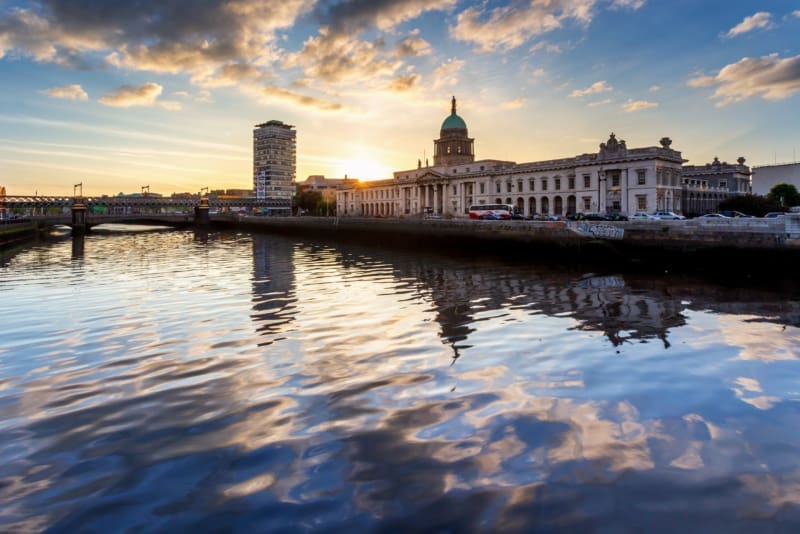
Dublin City is entering a defining moment in its architectural evolution, where sustainable design, increased density, and heritage conservation are coming together to reshape the capital’s skyline and streetscape. Across key urban districts, planning policy and design thinking are encouraging taller, higher-performing buildings in well-connected transport corridors, while ensuring the city’s historic fabric remains central to every development.
From the Docklands to emerging neighbourhoods, mixed-use schemes are redefining urban life in Dublin. Ground floors are increasingly designed to be active and permeable, with generous entrances, public-facing uses, and strong street engagement helping to create a more connected and vibrant city experience.
Sustainability at the core of design
Sustainability is now a baseline expectation across Dublin’s built environment sector rather than an optional enhancement. New developments are routinely incorporating low-energy design, passive principles, and circular construction strategies from the outset.
Timber and hybrid structural systems are gaining momentum, particularly in mid-rise projects, as practices explore ways to reduce embodied carbon while meeting performance and safety requirements. Alongside new build activity, retrofitting existing buildings is becoming a major focus, with refurbishment often delivering greater long-term environmental value than demolition and replacement.
Heritage-led transformation
Dublin’s architectural identity continues to be shaped by its layered history, from Georgian streetscapes to industrial waterfronts. A growing number of projects are embracing adaptive reuse, transforming historic buildings into contemporary workplaces, cultural venues, and residential spaces.
Rather than replicating the past, these interventions increasingly emphasise contrast and clarity between old and new, ensuring heritage assets are preserved while being meaningfully reactivated for modern use.
Public realm and placemaking
Public realm improvements are playing a central role in shaping Dublin’s future. Streets and squares are being redesigned to prioritise walking, cycling, and social interaction, supported by wider footpaths, green infrastructure, and improved connectivity.
Landscape design is now embedded in the earliest stages of major developments, with biodiversity, water management, and climate resilience integrated into both large-scale regeneration projects and smaller neighbourhood interventions. These changes are helping to create a more liveable, human-centred city.
Housing and urban living
Housing remains a key priority, with a continued focus on delivering higher-density schemes that still maintain quality of life. New residential developments are increasingly designed with dual-aspect layouts where possible, improved daylighting, and shared amenities such as communal spaces, rooftop gardens, and co-working areas.
At ground level, integration with the surrounding neighbourhood is becoming more important, with active uses and public-facing spaces helping to avoid isolated residential blocks and instead create more balanced, mixed communities.
Looking ahead
Dublin’s architectural future is being shaped by a more joined-up approach to planning, design, and infrastructure. Long-term thinking is increasingly influencing how districts evolve, with greater emphasis on sustainability, resilience, and public benefit.
For architects, designers, and the wider built environment community, this is creating a dynamic and competitive landscape, one where adaptability, collaboration, and strong technical capability continue to be highly valued.
At Rhythm Careers, we see these shifts reflected directly in the talent market, with growing demand in Dublin for professionals who can combine design quality with sustainability expertise and strong delivery skills across complex urban projects.
If you’re a professional exploring your next move, or a practice seeking new talent, connect with Beth, our Dublin specialist, who can support you with your hiring or career needs.